Created from lived experience

See the child before the behavior.

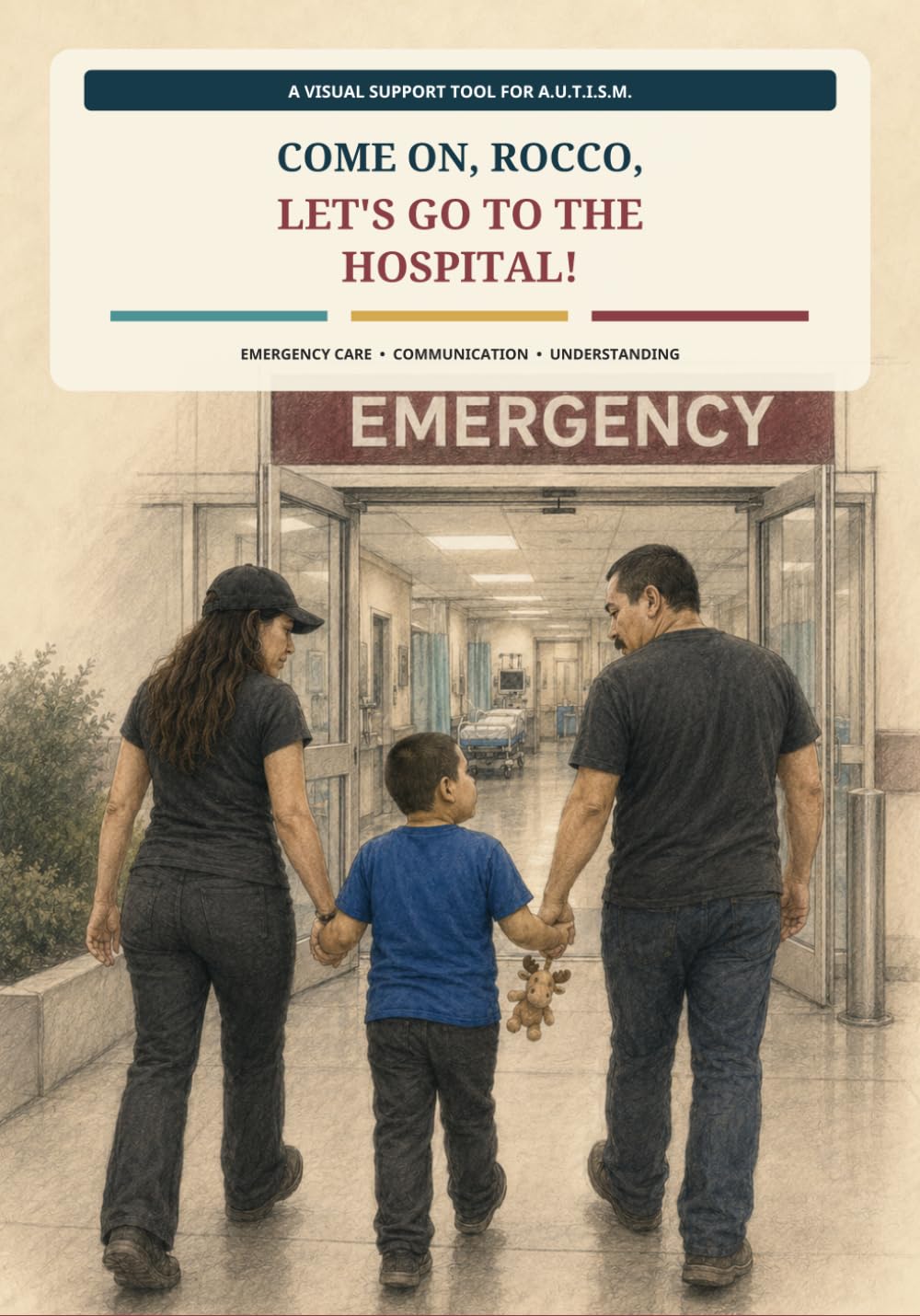
Free autism resources, practical guides, printable visual supports, and visual support books for school, first response, and hospital care.

Free resources. No purchase required. Paperback books also available.

Three settings. One purpose.

01 School 02 First responders 03 Hospital
Visual first

Clear support before words become a barrier.

Child-centered

Understanding the person before interpreting the behavior.

Real world

Created from lived experience; designed to complement professional practice and individualized support.

Choose the setting

Choose the support tool you need.

Every setting is different. Explore the complete books or begin with free visual communication cards and practical, print-ready sample pages from the planning, safety, and communication tools inside each book.

I earn a commission from qualifying purchases through Amazon links.

What is autism? One diagnosis, two different children

Same Diagnosis. Different Children.

“Autism spectrum disorder (ASD) is a developmental disability caused by differences in the brain.”

Clinical definition: Centers for Disease Control and Prevention

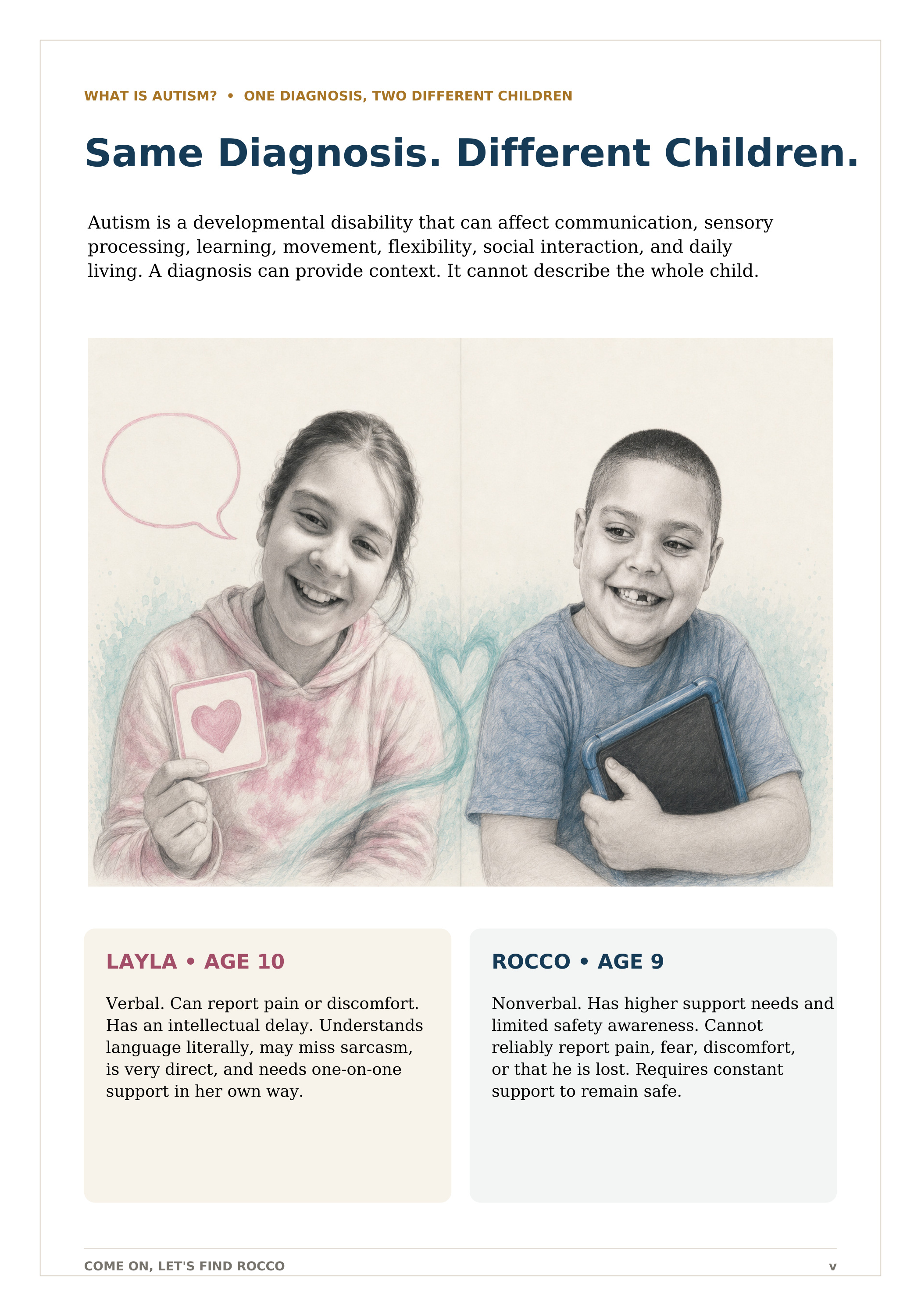
Layla and Rocco are close-in-age siblings. Both fit the same clinical definition. Both carry the same diagnosis. Yet their communication, regulation, learning, safety, pain, and daily-living needs are not interchangeable.

A diagnosis can provide context. It cannot describe the whole child.

Same clinical definition. Same diagnosis.Drasticallydifferent support needs.

Same Diagnosis. Different Children resource page comparing Layla and Rocco
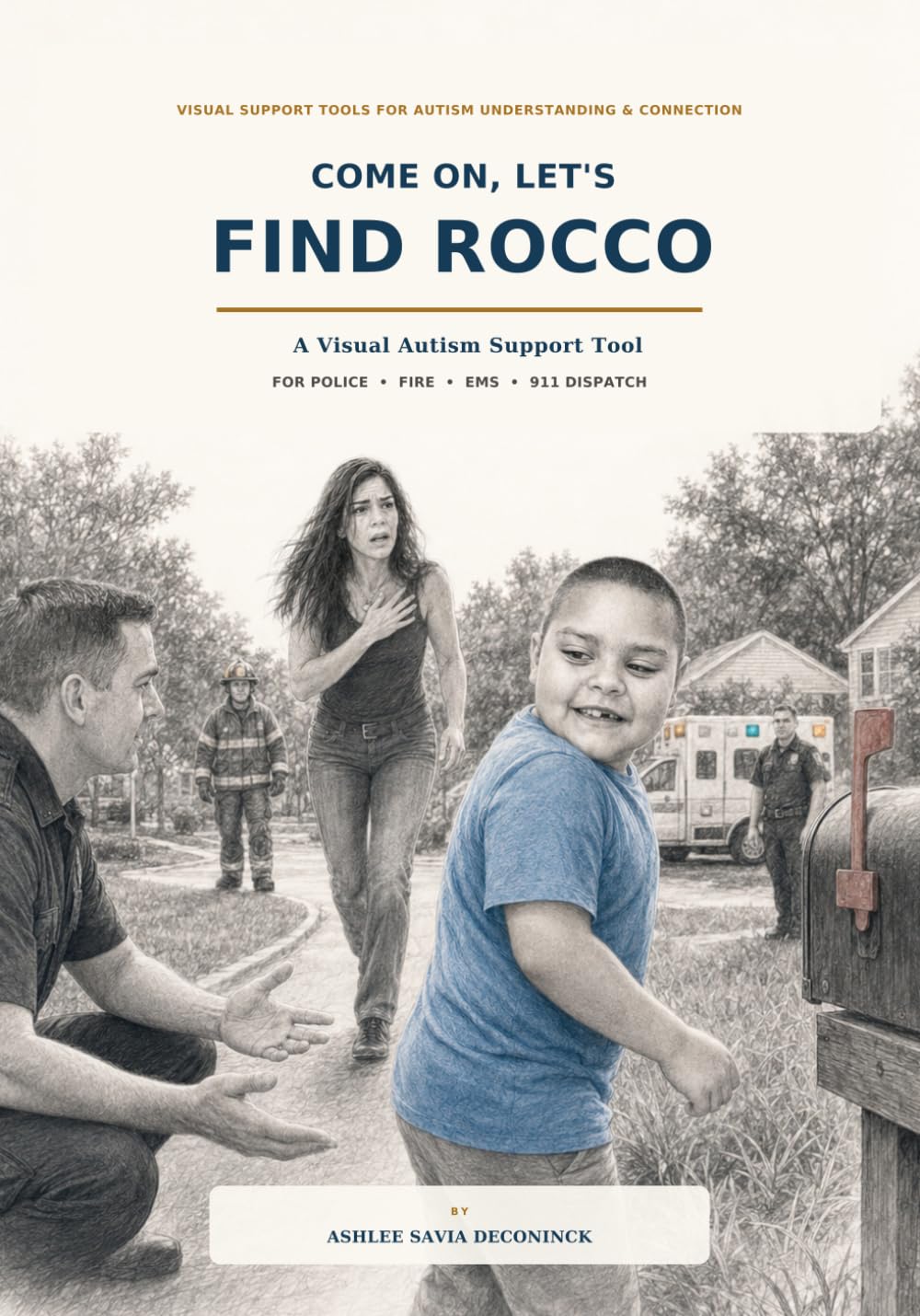
From Come On, Let’s Find Rocco Same Diagnosis. Different Children.

Her own strengths.Her own support needs.

Meet Layla.

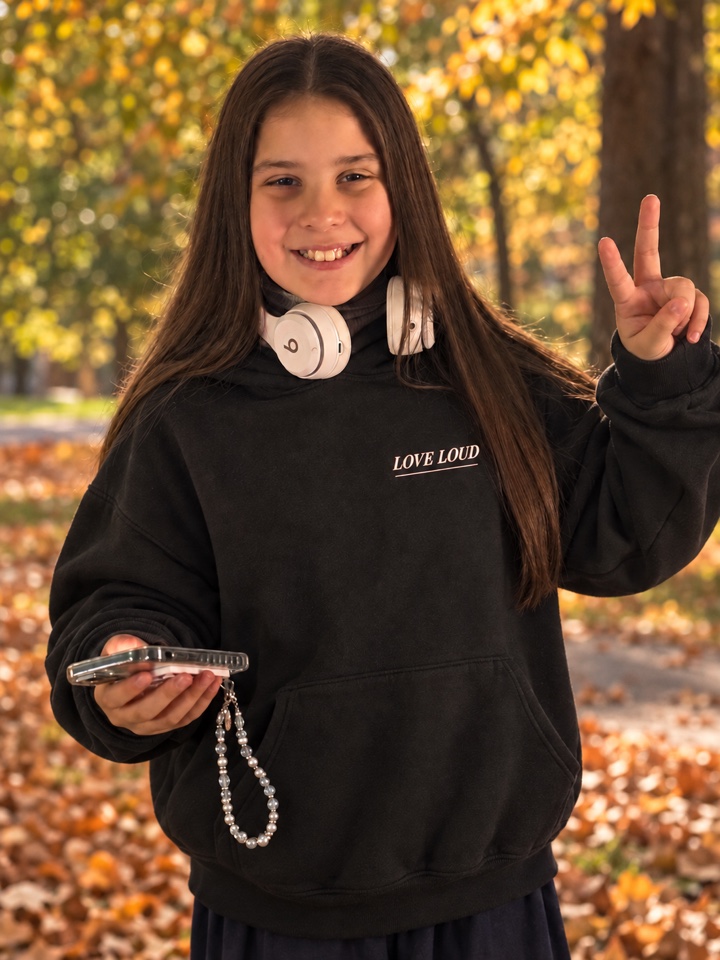
Layla smiling outdoors in autumn, wearing her Love Loud hoodie and headphones, holding her phone and making a peace sign

From Ashlee’s experience as her mother

Layla can be very direct, knows a great deal about her favorite things, and sometimes uses familiar movie lines to communicate. Sarcasm and some learning tasks can be difficult for her. Writing can take extra support, and she sometimes writes letters or words backward.

Those challenges sit alongside her strengths, interests, and personality. Understanding Layla means noticing both what is difficult and what she knows, enjoys, and does well.

A family perspective on everyday life, not a clinical assessment.

Layla’s documented needs, in everyday words

Layla’s pediatric letter confirms autism spectrum disorder. Her school evaluation describes learning, communication, and everyday skill needs; it is an educational assessment, with a different purpose from a clinical evaluation.

  • Understanding and expressing language: she can talk and share her interests, while understanding information and written expression may need more support.
  • Memory and processing: remembering several steps and taking in new information can be difficult. Her evaluation describes a need for extra time, clear explanations, and teaching suited to her learning profile.
  • Strengths: her evaluation identifies relative strengths in social connection, play, and using language. Ashlee also sees her creativity and enthusiasm for the things she loves.

Her records describe an individual learning profile, not a limit on her potential. They do not assign an autism support level or confirm a separate intellectual disability diagnosis.

Family sources: pediatric letter dated November 17, 2025, and school evaluation completed in October 2025, shared by Ashlee and reviewed October 1, 2026. Private records are not published here.

Understanding language · Everyday skills · What support levels mean · Find school support
The child behind the tools

Meet Rocco.

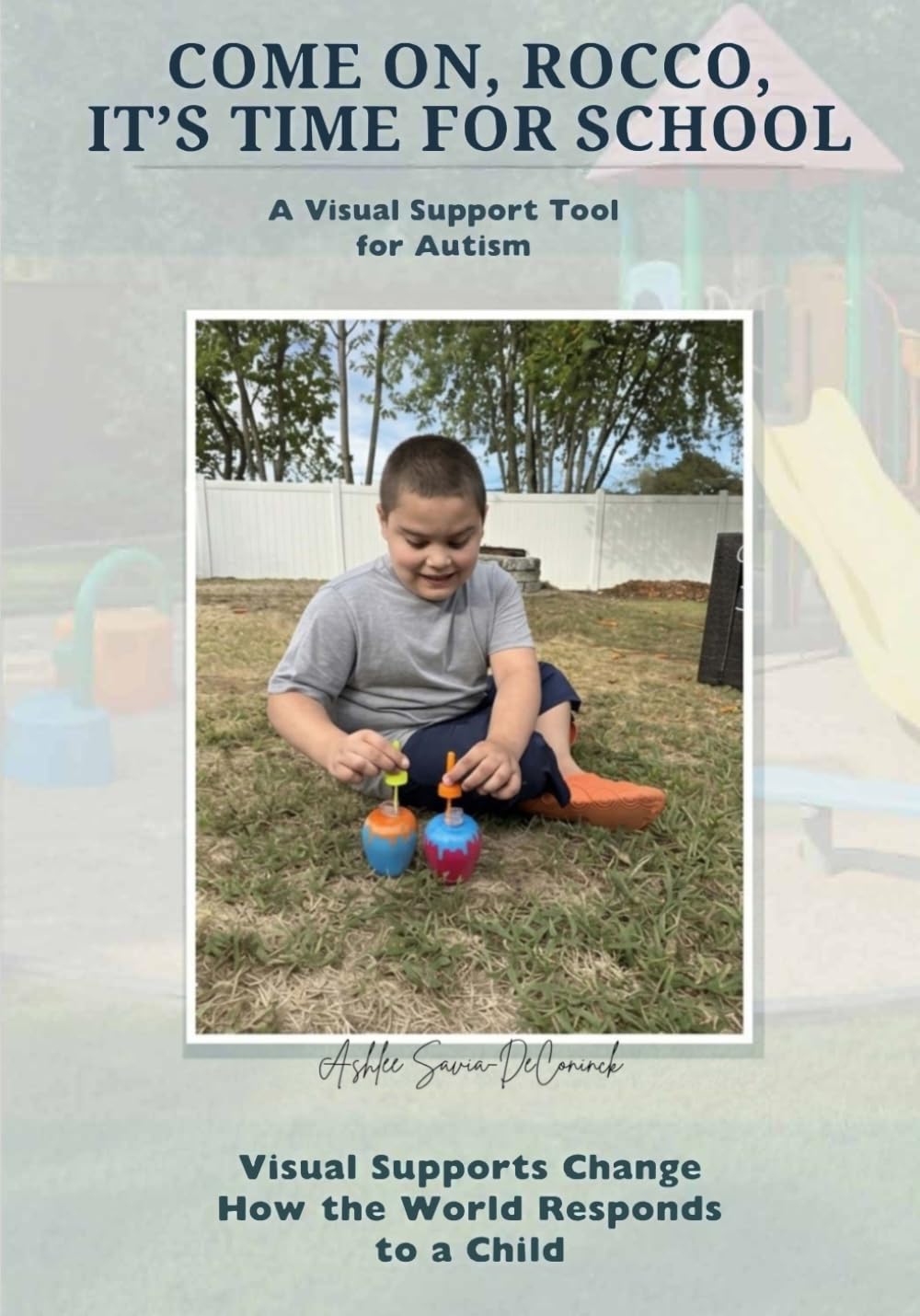
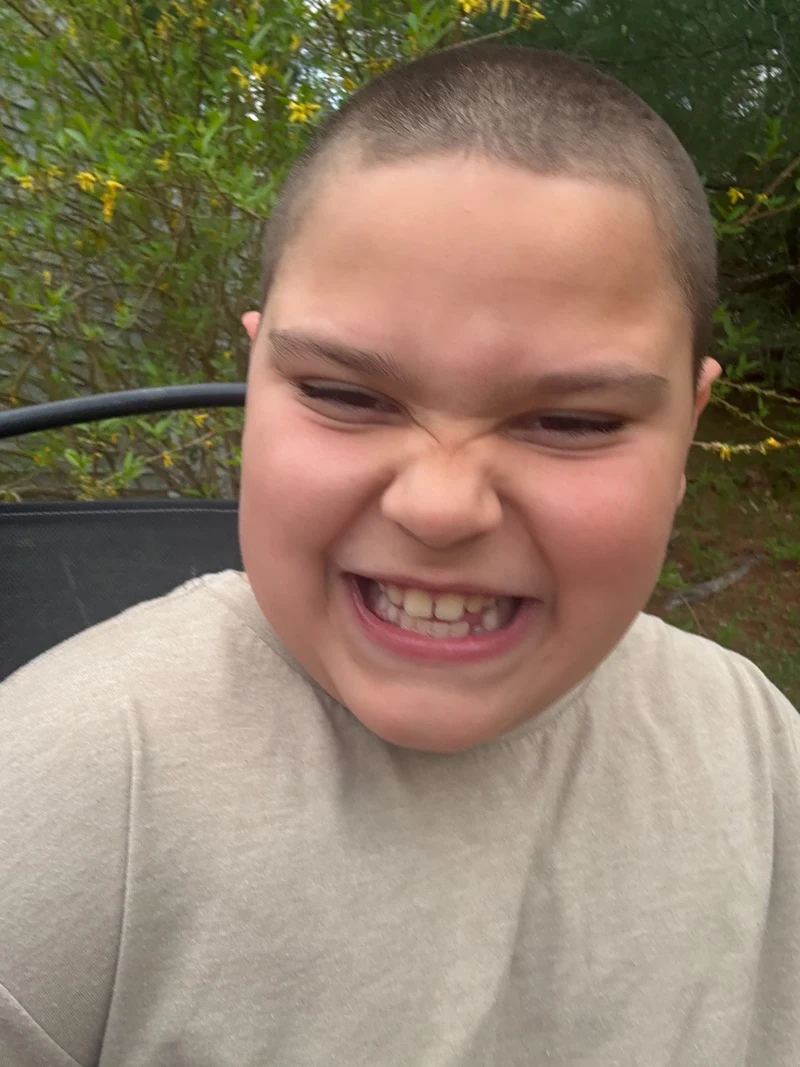
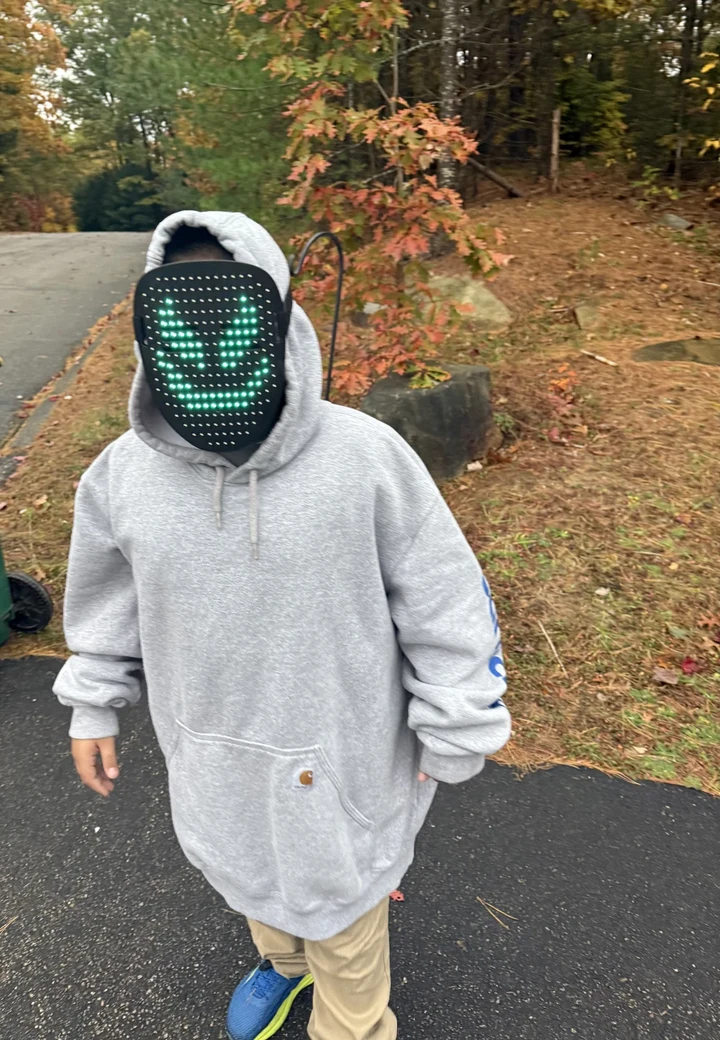
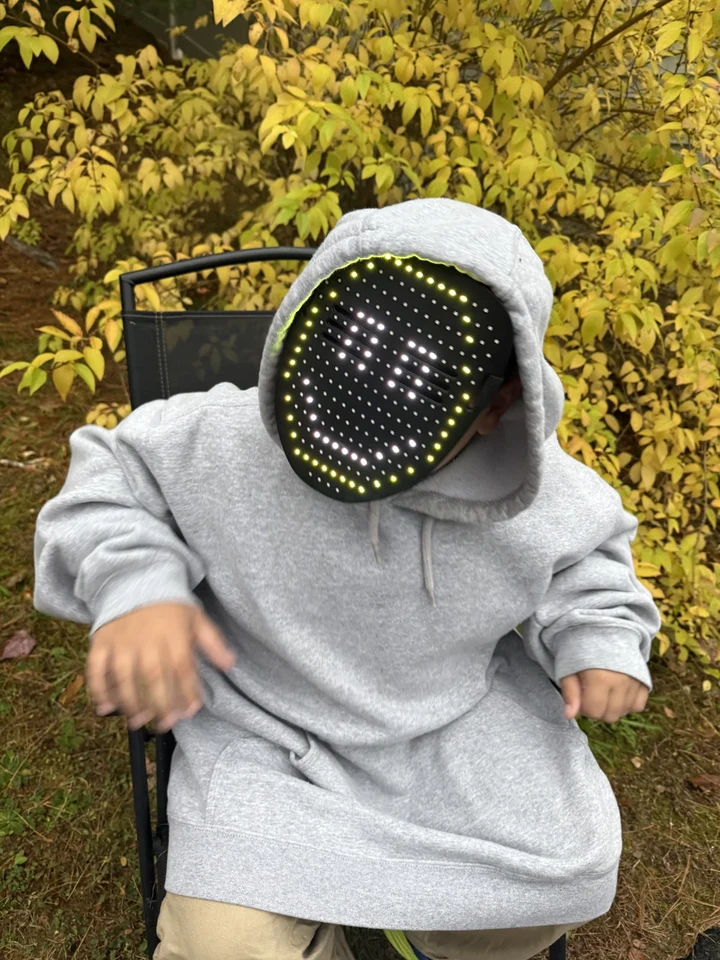
Rocco is Ashlee’s son and the child who inspired Visual Support Tools. These are a few of his playful moments. The heart of this work is learning who a child is, how they communicate, and what matters to them.

Rocco’s documented needs, in everyday words

Rocco’s pediatric letter describes severe autism spectrum disorder with nonverbal communication, along with other needs that add to his everyday care. These details help explain his own support needs; they do not describe every autistic person.

  • Communication: he does not rely on spoken words to explain hunger, pain, or tiredness. His expressions, movements, and changes from his usual way of being can carry important information. Nonverbal does not mean he has nothing to communicate.
  • Pica: eating items that are not food is a documented safety concern for him. Read the sourced explanation of pica.
  • Sleep disorder or insomnia: sleep can be difficult, and his family and care team need to understand how this affects his day.
  • Continence needs: he needs support with toileting and personal care, with his privacy and dignity protected.
  • Suspected ADHD: the letter flags this as a possibility, not a confirmed diagnosis. Understand ADHD terminology.

His clinician’s letter emphasizes paying attention to changes and communicating with his mother. This is context for Rocco’s own care, not a treatment plan for another child.

Family source: pediatric letter updated June 30, 2026, shared by Ashlee and reviewed October 1, 2026. Private records and medication details are not published here.

Nonverbal and nonspeaking · Prepare a communication handoff · Find the right kind of support

Rocco’s original multicolored handprint, isolated from his painting
Rocco’s original handprint
Ashlee Savia DeConinck smiling with her son Rocco
Ashlee and Rocco

Behind the tools

Meet the creator.

Published author Visual resource creator and developer Autism advocate Former direct support professional

Ashlee Savia DeConinck is a published author, visual resource creator and developer, autism advocate, and former direct support professional. As Rocco’s mother, her work began with a personal question: how could she help the adults around her nonverbal son better understand what he could not always communicate?

Rocco has higher support needs, limited danger awareness, and a history of elopement. His experiences showed Ashlee that even caring adults may understand the same child differently, and that in critical moments, misunderstanding can affect safety, regulation, and dignity.

Read the story behind the tools

Ashlee created the kind of practical visual support she had been searching for. The original school resource is designed to be reviewed in about twenty minutes, and the collection now extends the same child-centered approach to first response and emergency care. The tools complement professional training, policy, clinical judgment, and individualized care.

When autism first became part of her family’s life, Ashlee did not have a ready-made roadmap or relatives who already knew how to guide her. She learned by asking questions, navigating services, and paying close attention to her children. She shares what she has built so another family has a clearer place to start.

Created entirely from lived experience, the collection helps the adults responsible for a child’s well-being build a clearer, more consistent understanding across home, school, transportation, clinical, community, and emergency settings.

Ashlee’s autism advocacy has been acknowledged in formal White House correspondence. Her family’s journey was published in the April 2026 Autism Annual Issue of Exceptional Parent Magazine , and her original resource was featured in an ABA Toolbox community spotlight. These milestones reflect acknowledgment and reach, not accreditation, endorsement, or clinical validation.

Her work exists for one reason: when adults share a clearer understanding, children with autism who have higher support needs are safer, better supported, and more fully understood.

Explore Ashlee’s books

Recognition & response

The work is reaching beyond the living room where it began.

These words reflect acknowledgment, publication, and professional response. They are presented with their original context and do not imply endorsement, clinical validation, or adoption.

“Your efforts to turn personal challenges into guidance for caregivers and educators reflect compassion, purpose, and leadership.”

Formal correspondence · The White House

“Just looking at your products, you should be very proud of not only the professionalism, but the very important role it fills in the lives of children with ASD and their families.”

Pediatric emergency physician · Children’s Hospital, London Health Sciences Centre

Personal written feedback, not a hospital endorsement.

“I especially appreciate your guiding principle, ‘See the child before the behavior.’ That perspective is critically important.”

National Autism Coordinator · National Institute of Mental Health, NIH

Written response to the elopement resource; not an agency endorsement or clinical evaluation.

“It looks like you have developed an outstanding program!”

Director · New Hampshire Police Standards and Training Council

Written feedback on the first responder materials; not adoption or training accreditation.

“I like how you are thinking about the various players in an elopement situation and how they need to integrate.”

Program Director · Pathfinders for Autism

Feedback while reviewing the elopement resource.

“We note that the resources are well thought through and definitely useful.”

Learning Academy team · Autism Resource Centre (Singapore)

Written review; the academy uses its own resources aligned with its curriculum and the Singapore context.

Published journey

Exceptional Parent Magazine

“What It’s Like Being the ‘Regular Mom’ Trying to Create Real Change” appeared in the magazine’s Autism Annual Issue.

Community response

“Clinical bridge”

A local pediatric practice used this phrase during an in-person review of the school resource.

Bulk orders & partnerships

Work with Ashlee.

For institutional orders, professional partnerships, and community placement opportunities, contact Ashlee directly.

Schools, first responders, healthcare teams, and community organizations.

Useful next steps

Put understanding into practice.

Free printable visual supports

59 communication cards in English, Spanish, and French, plus twelve school, safety, and hospital sample pages. No purchase or email required.

View & print visual supports

Practical guides

Prepare a communication handoff, emergency profile, or hospital support summary.

Explore the guides

For organizations

A series overview and a clear contact route for schools, agencies, libraries, and care teams.

Explore the series