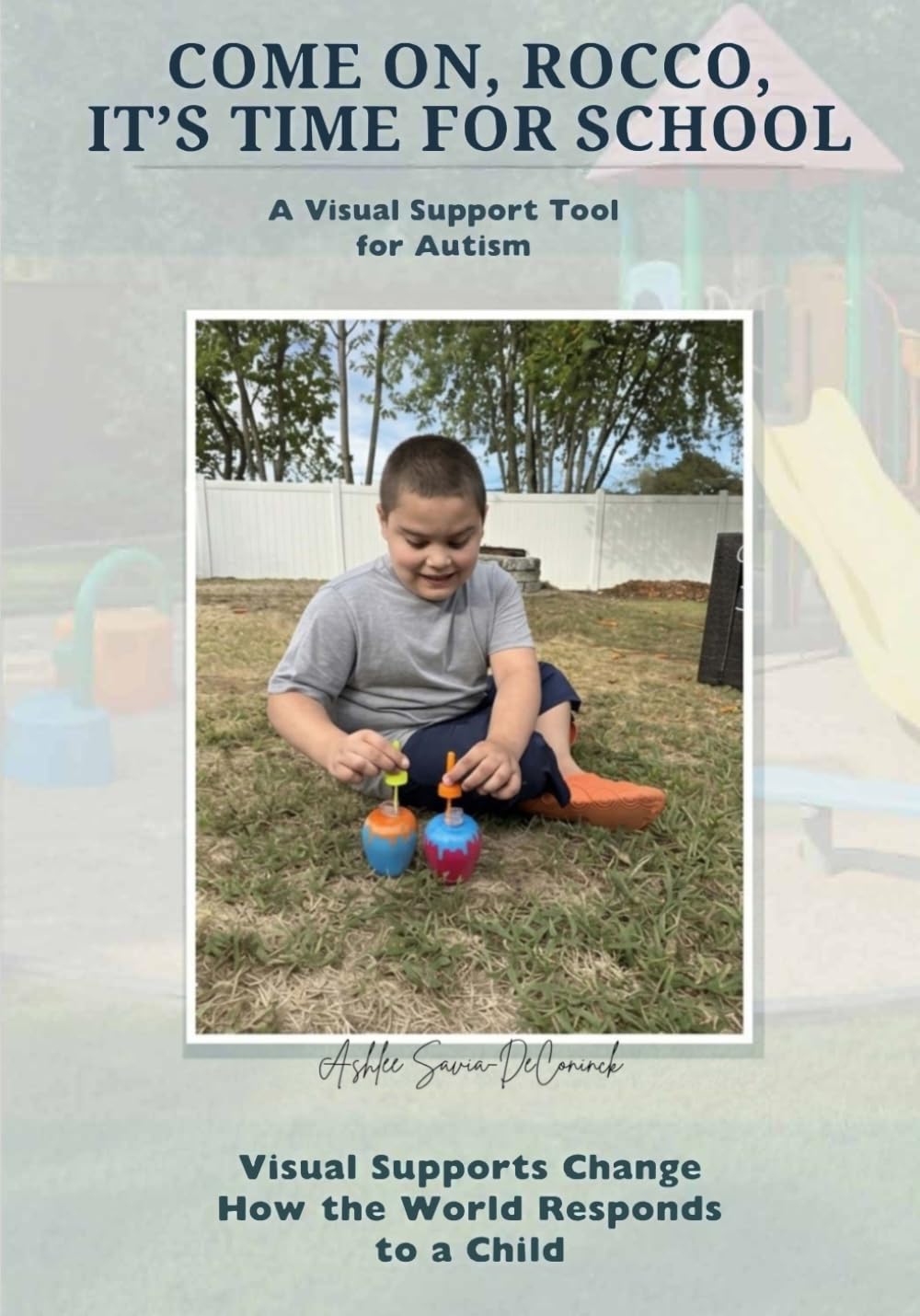
Come On, Rocco, It’s Time for School
Home–school communication, IEP information, and therapy notes. Each free PDF contains four pages.
Download the school samples (PDF) ↓Read the text companion →Free printable samples
Twelve free sample pages for school communication, first responder preparation, and hospital support, with readable text companions.
See the child
before the behavior.
Home–school communication, IEP information, and therapy notes. Each free PDF contains four pages.
Download the school samples (PDF) ↓Read the text companion →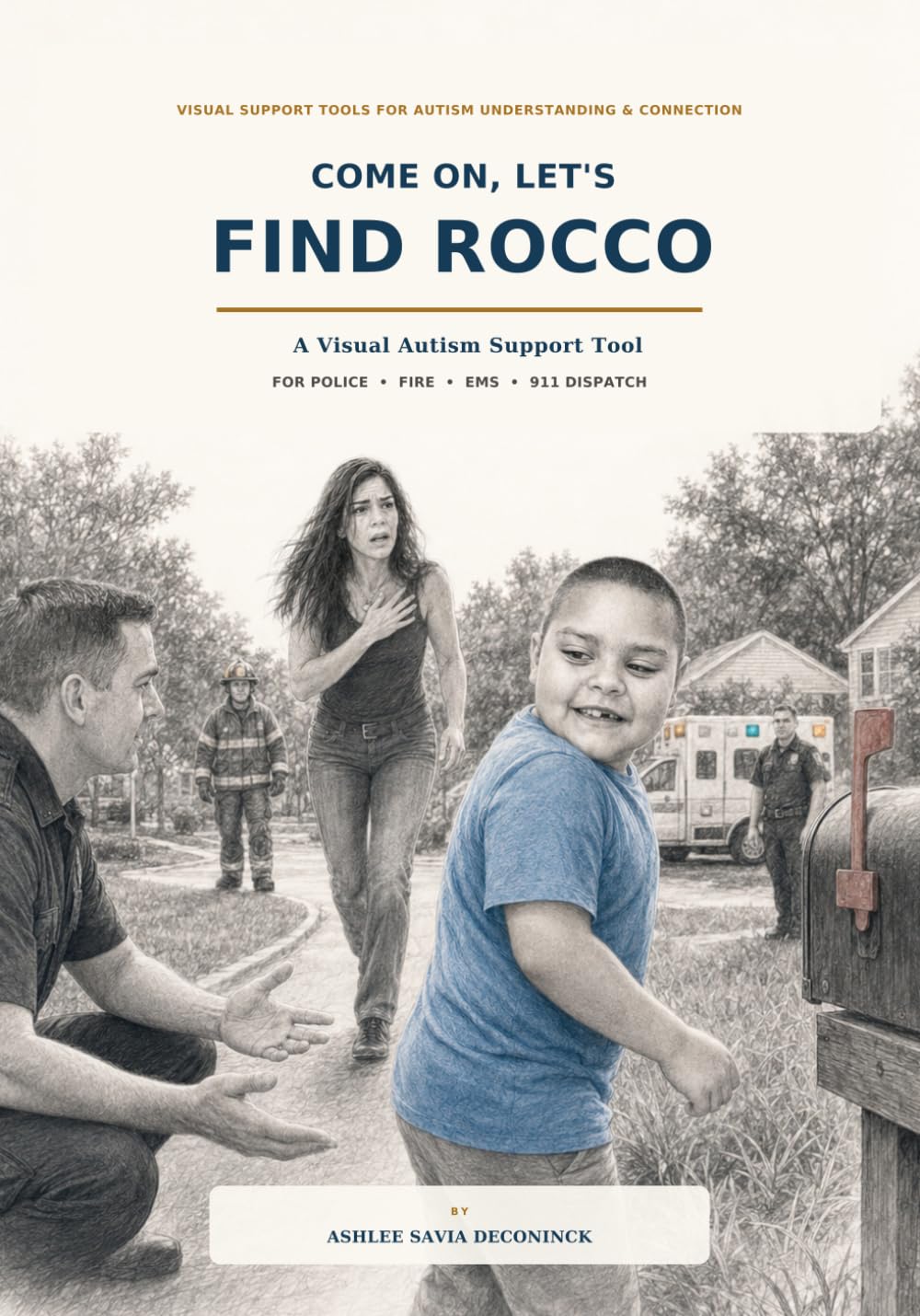
A child-specific emergency profile, encounter log, and safety update. Each free PDF contains four pages.
Download the first responder samples (PDF) ↓Read the text companion →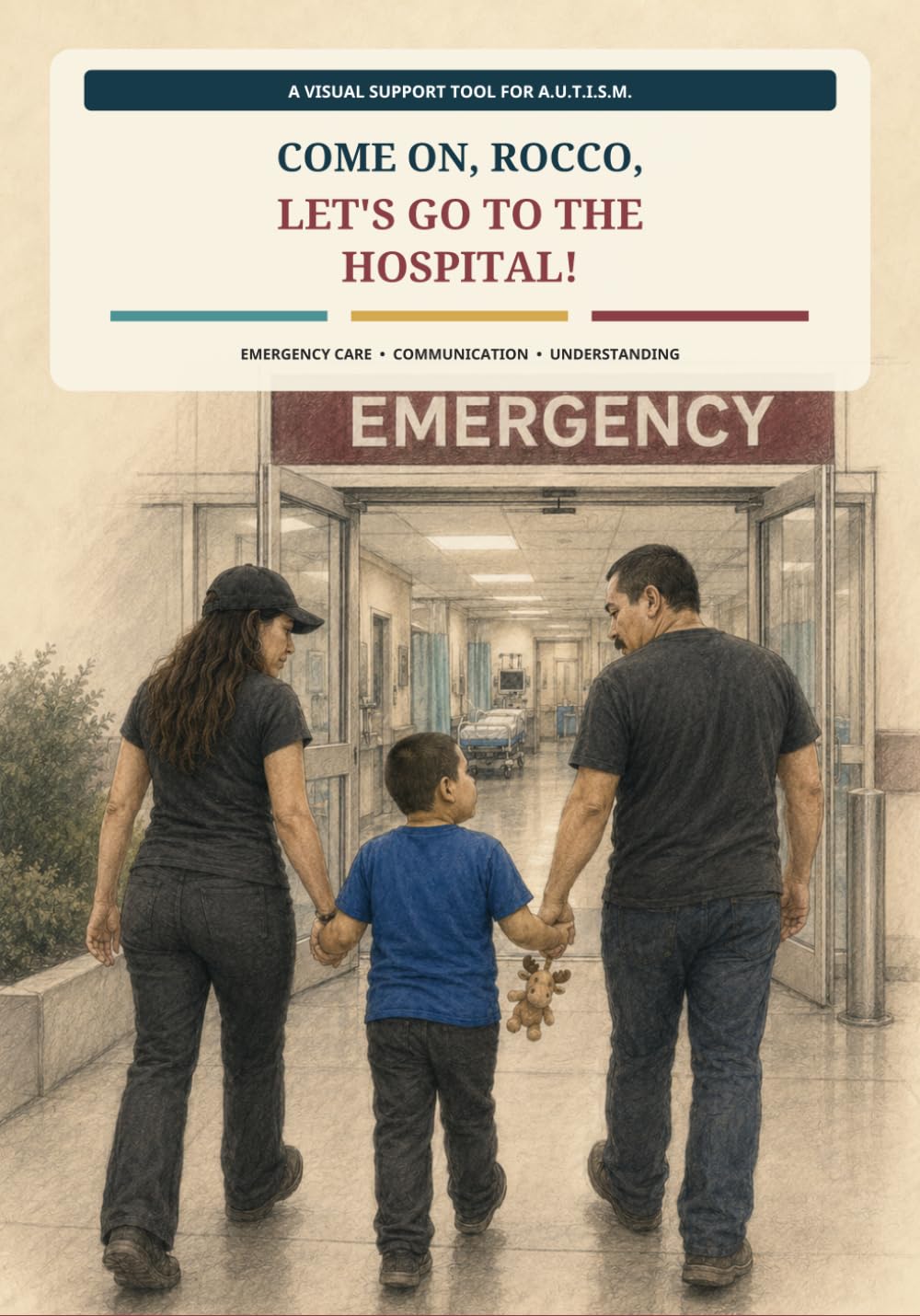
Caregiver communication, a support profile, and visit notes. Each free PDF contains four pages.
Download the hospital samples (PDF) ↓Read the text companion →No purchase or email address required. These are sample pages from the published books. Download the PDFs to view and print them. Keep completed pages private; do not send personal or medical information through this website.
The summaries below describe the fields and prompts in each PDF in readable web text. The original PDFs are printable worksheets; some pages contain text as images and may be difficult to use with a screen reader.
Child’s name; date; person completing the note. How yesterday went after school: arrival home, anything the child communicated about school, mood, activities, sensory concerns, and sleep. Morning snapshot: mood, appetite, and important reminders for staff.
Child’s name; grade; date; staff/caregiver; homeroom teacher. Mood on arrival; food and appetite; challenges; enjoyable moments; activities; IEP goals addressed; hygiene and toileting; peer interactions; special subjects; and comments for the parent or guardian.
Student’s name; IEP date; next review date. Team member names and email addresses, followed by space to record important dates.
A table with columns for the date, type of therapy, therapist/provider name, and summary of the session.
Current photograph; full name and familiar name; date of birth/age; approximate height and weight; home address; parent/caregiver names; primary and secondary phone numbers. Communication methods: reliable speech, some words, nonverbal communication, a device, pictures/gestures, or possibly no response. Helpful words, pictures, songs, videos, or sounds; languages understood or used.
Likely destinations or attractions; hiding places and previous locations where the child was found; running, hiding, freezing, or responses to pursuit; touch preferences and approach considerations; sensory triggers and calming interests; relevant medical needs, allergies, pain communication, and ingestion risks; locating device or identification; school/program contact; last update date; person completing the profile.
Date/time; agency/unit; responder contact; location found; environmental conditions and hazards; observations when located; approach and supports that helped; possible medical concerns; assessment or transport information; reunification details; and recommended follow-up. Follow the agency’s reporting and privacy requirements.
Child’s name and update date. Changes to exit skills, destinations, routes, communication, health needs, sensory responses, appearance, identification, or helpful supports. Describe the change, what responders should know, likely locations or hazards, helpful words/visuals/people/objects, and caregiver contact details.
Child’s name/name used; date of birth/age; approximate height and weight; communication methods; what yes, no, pain, and illness may look like; usual behavior and movement; safety needs; helpful touch or positioning; sensory needs; comfort items or people; today’s caregiver update; and caregiver contact. Staff must verify clinical details in the hospital record.
Elopement risk; pica or mouthing risk; seizure plan; allergies; medicines and conditions; what helps; what makes things harder; items not to offer without asking; comfort items; and the primary support person.
Date and time; what happened; any possible object or substance involved; amount, size, and material if known; symptoms or changes; who witnessed the event; and instructions already received from Poison Control or emergency medical services.
Successful words or visuals; positioning; people and roles; equipment tolerated; sensory changes that helped; what increased distress; and what to try first at the next visit.
Complete only what is useful, keep the information current, and share it through the school’s, agency’s, or healthcare service’s agreed process. The forms do not replace required records, assessments, or professional procedures.